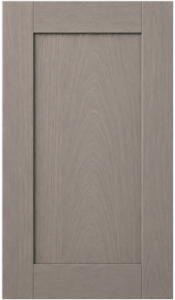
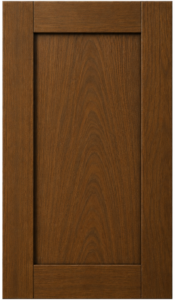
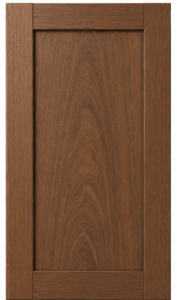
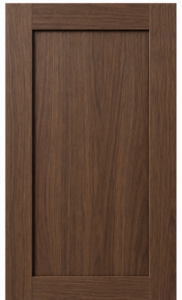
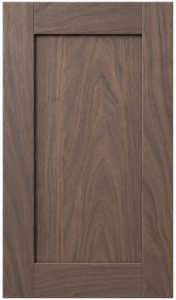
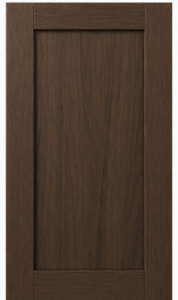
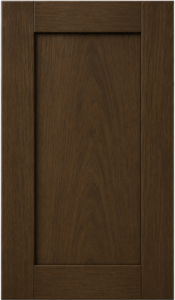
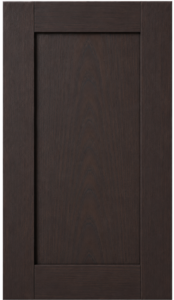
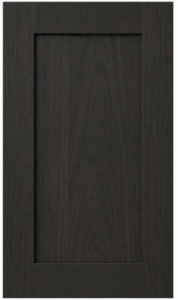
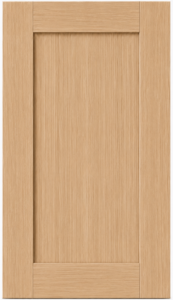
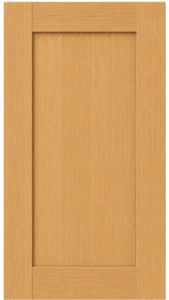
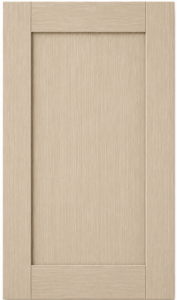
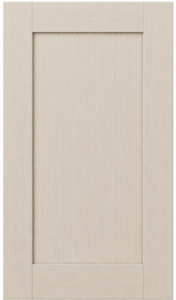
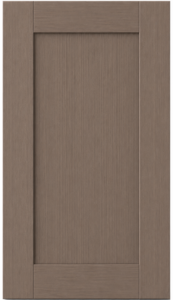
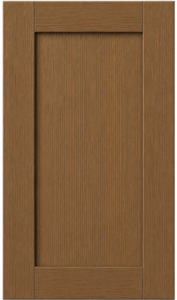
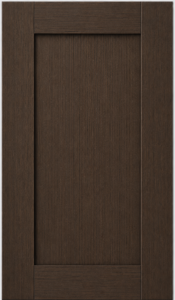
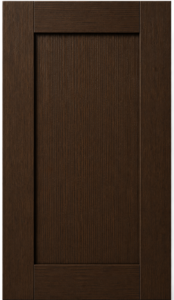
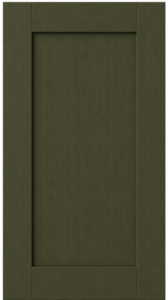
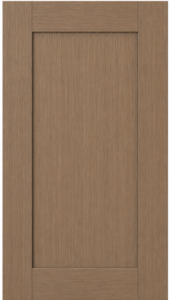
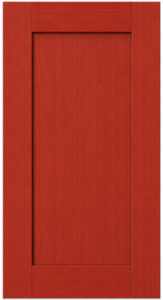
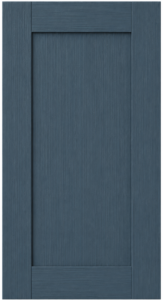
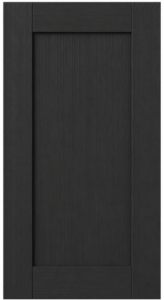
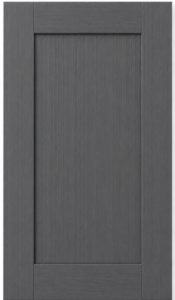
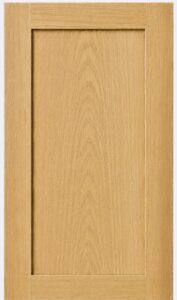
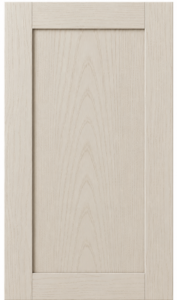
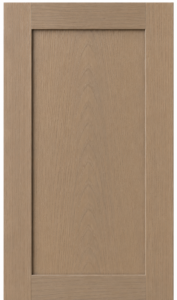
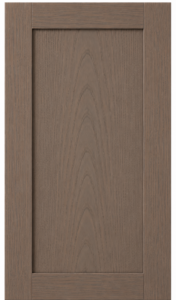
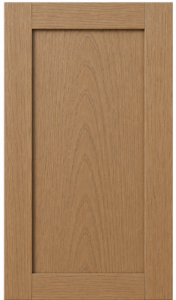
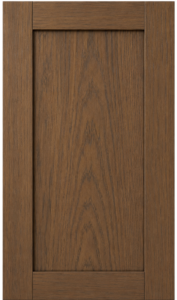
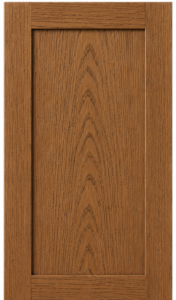
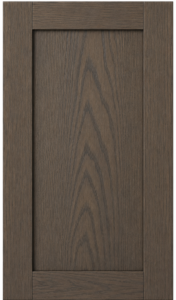
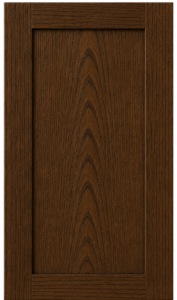
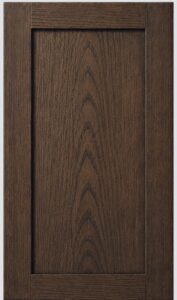
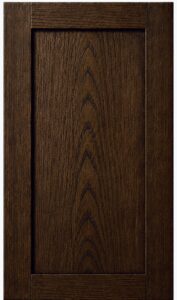
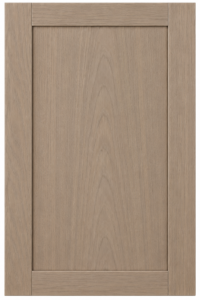
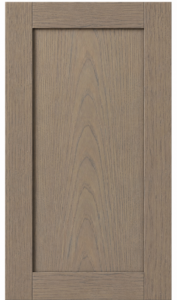
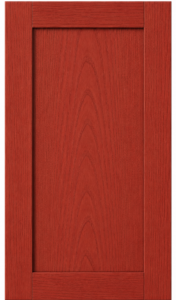
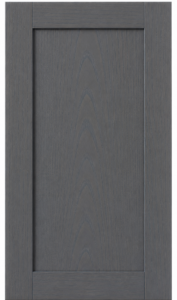
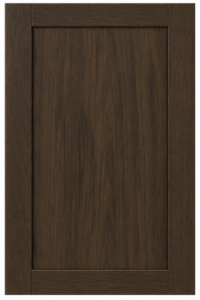
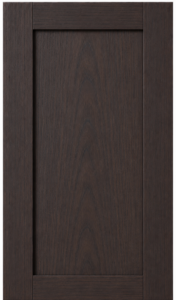
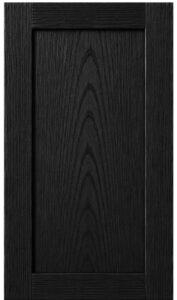
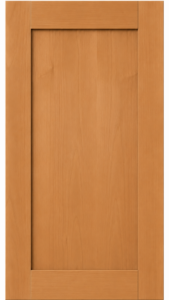
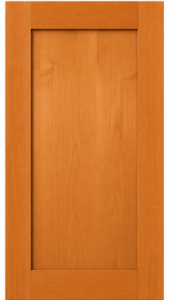
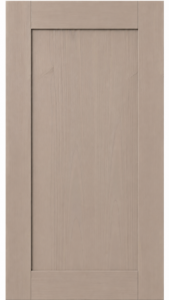
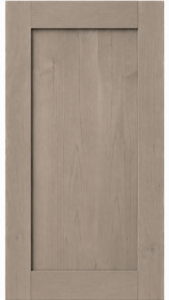
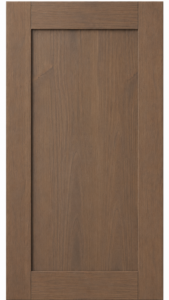
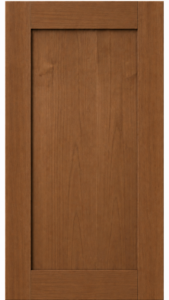
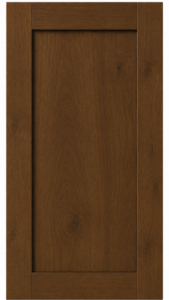
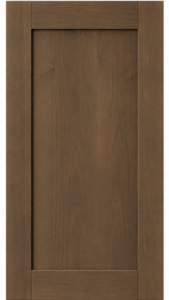
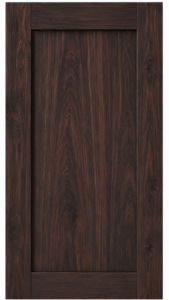
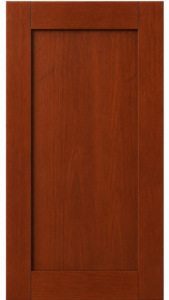
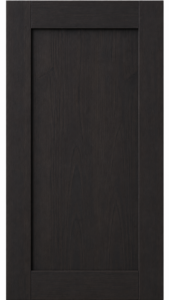
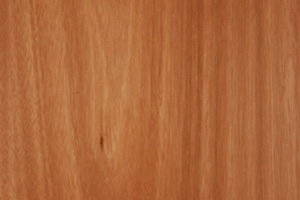
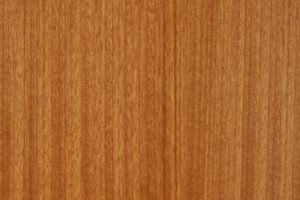
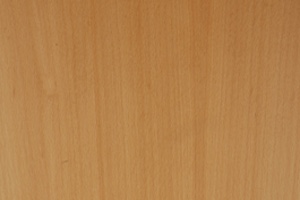
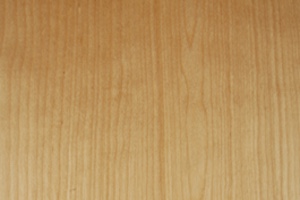
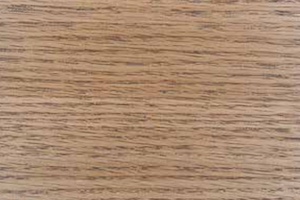
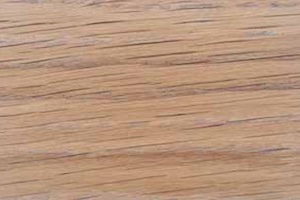
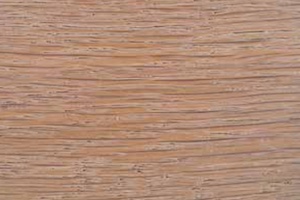
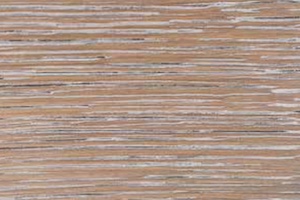
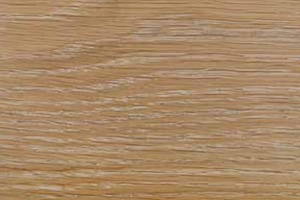
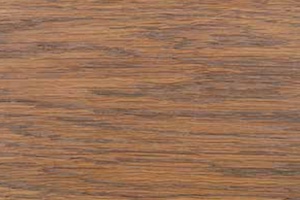
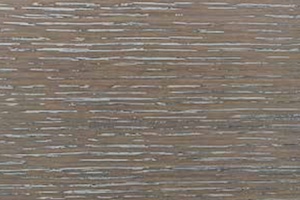
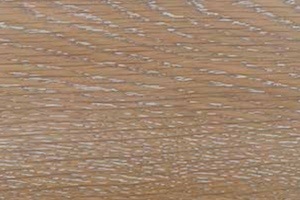
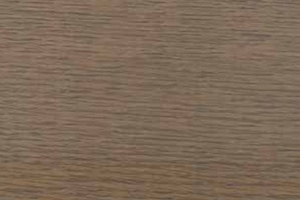
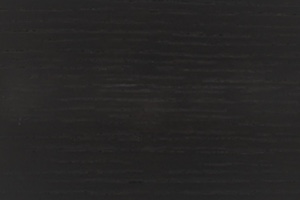
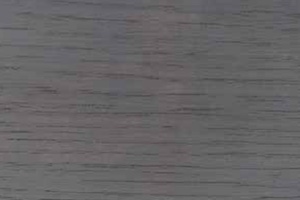
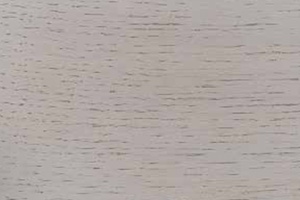
Cabinets are fully assembled prior to finishing to ensure consistency across all surfaces and joints. We use a catalyzed conversion varnish topcoat, providing exceptional durability, chemical resistance, and long-term clarity without yellowing.
A curated range of stains and glazes is available to support both traditional and contemporary design intent. Each finish is developed to highlight the natural character and grain of the hardwood while maintaining a consistent, high-quality result across the project.
For custom requirements, we regularly develop match samples and unique finish formulas in collaboration with designers and builders to achieve project-specific specifications.
Walnut
A highly desirable, finely grained hardwood with dark tan to rich brown heartwood and creamy white sapwood. Walnut generally has a straight grain but is capable of producing a wide variety of natural figure. It darkens gradually with age and exposure to light, developing additional richness over time.
Natural Walnut
Moonbeam Walnut
Coastal Gray Walnut
Beachwood Walnut
Honey Walnut
Briar Walnut
Mocha Lite Walnut
Twig Walnut
Pecan Walnut
Bark Walnut
Provencal Walnut
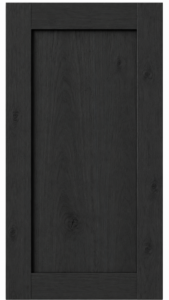
Espresso Walnut
Carbon Walnut
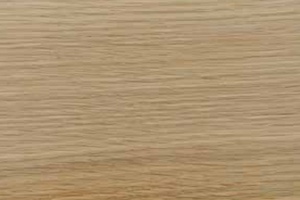
Rift White Oak
Has a consistent wood grain structure with a very open grain. The overall color is tan but varies from light to medium tan to shades of gray. The straight grain pattern makes Rift Sawn White Oak ideal for use with contemporary designs
Natural Rift White Oak
Sand Rift White Oak
Canvas Rift White Oak
Muslin Rift White Oak
Moonbeam Rift White Oak
Costal Grey Rift White Oak
Honey Rift White Oak
Beachwood Rift White Oak
Briar Rift White Oak
Twig Rift White Oak
Pecan Rift White Oak
Bark Rift White Oak
Provencal Rift White Oak
Spruce Rift White Oak
Sunset Rift White Oak
Cayenne Rift White Oak
Denim Rift White Oak
Indigo Rift White Oak
Twilight Rift White Oak
Espresso Rift White Oak
Carbon Rift White Oak
PS White Oak
Plain sawn heartwood ranges from light brown to tan, with occasional pinkish or subtle gray undertones. Sapwood is white to cream. The open grain and longer medullary rays create the classic cathedral grain pattern and pronounced natural figure that make each piece unique.
Natural White Oak
Sand White Oak
Canvas White Oak
Muslin White Oak
Moonbeam White Oak
Coastal Gray White Oak
Honey White Oak
Beachwood White Oak
Briar White Oak
Twig White Oak
Pecan White Oak
Bark White Oak
Provincial White Oak
Spruce White Oak
Stone White Oak
Sunset White Oak
Cayenne White Oak
Denim White Oak
Indigo White Oak
Lindy White Oak
Twilight White Oak
Onyx White Oak
Espresso White Oak
Carbon White Oak
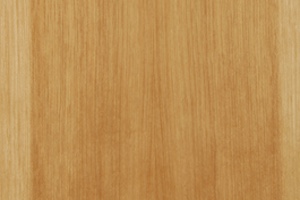
Alder
A fine, straight-grained hardwood with a uniform light tan to reddish brown color and a smooth, subtle grain pattern. Alder accepts stain exceptionally well, making it an excellent choice for everything from light natural finishes to rich, darker tones while maintaining a warm, consistent appearance.
Natural Alder
Sand Alder
Caramel Alder
Moonbeam Alder
Coastal Grey Alder
Beachwood Alder
Briar Alder
Mocha Alder
Twig Alder
Bark Alder
Merlot Alder
Espresso Alder
Carbon Alder
Heart Hickory
A strong, distinctive hardwood known for its dense grain and natural variation. Heart hickory has a warm, light-to-medium brown appearance with subtle tonal shifts and pronounced grain movement. Selected for its cleaner, more consistent heartwood, it offers the character and durability of hickory while creating a refined, contemporary look. Its natural variation allows stains to bring out the depth of the grain while maintaining the wood’s warm, organic character
Lindy Hickory
Sunset Hickory
Onyx Hickory
Moonbeam Hickory
Twig Hickory
Pecan Hickory
Bark Hickory
Twilight Hickory
Espresso Hickory
Carbon Hickory
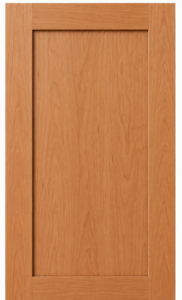
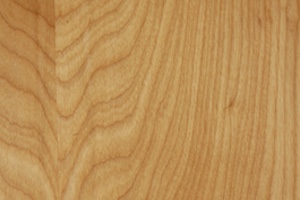
Cherry
A fine textured hardwood with a prominent figure and a beautiful, warm pink color. Cherry may have occasional natural features such as pecks, small pitch pockets and mineral streaks all of which contribute to the uniqueness of this species. Cherry ages gracefully, acquiring a rich patina that continues to darken over time further enhancing its beauty and warmth.
Natural Cherry
Champagne Cherry
Caramel Cherry
Beachwood Cherry
Briar Cherry
Bark Cherry
Mocha Cherry
Carbon cherry
Coastal Gray Cherry
Twig Cherry
Merlot Cherry
Espresso Cherry
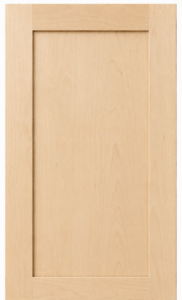
Maple
A strong, fine textured hardwood which has a subtle grain figure. The color tends to be a light, creamy tan. Maple is known as one of the heavier and denser woods available and is very sturdy. Maple has some naturally occurring features such as an occasional mineral streak, to the more spectacular birds-eye, burl, fiddleback or quilting.
Natural Maple
Butternut Maple
Sand Maple
Moonbeam Maple
Coastal Gray Maple
Bark Maple
Mocha Maple
Provincial Maple
Carbon Maple
Manufactured Veneer
Manufactured or composite veneers are produced from a solid block of dyed veneers typically made from a plentiful wood called obeche. Their consistency in grain and color makes them ideal for achieving a uniform appearance which is particularly important when “horizontal grain” is specified. Available in natural finish only.
Quarter Sawn Champagne
Quarter Sawn Maple
Quarter Sawn Walnut
Quarter Sawn Wenge
Rift White Oak
Select Woods
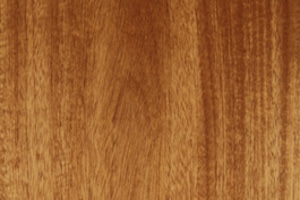
A curated selection of unique woods beyond the standard options. From rich mahogany to Lyptus, our images showcase the natural beauty of each wood’s grain and color. Choose from a variety of stains and finishes to create a look that’s uniquely yours.
Mahogany
Lyptus
Sapele
Beech
Birch
Red Birch
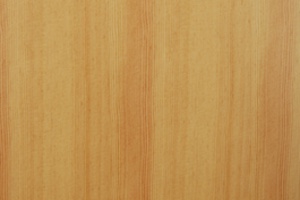
Fir
Hickory
Nude Impressions
The beauty of this finish allows the natural qualities of the wood itself to show through. Rift White Oak varies in color from shades of light-medium tan to shades of gray with occasional shades of pink or green due to the variations in minerals and acids in the soil where the tree was grown. This finish process will expose the dramatic variations in graining and color that is inherent in wood and are considered acceptable from door to door, or cabinet to cabinet.
Nude Creme
Nude Noir
Nude Gris
Cerused Impressions
Cerused Impressions are completely dependent on the graining of the wood used and variability in the finish is to be expected. Plain Sliced White Oak and Rift Sawn White Oak were chosen as our standard wood for these finishes as it has a more consistent grain structure, but pores do vary from small, tight pores to more open, soft pores. This affects the amount of pigment which remains as hang up in our cerusing process. This variation may range from subtle to more apparent and can occur from door to door, or stave to stave within a door.
Some cerused finishes may be done on natural wood and it is important to understand that the natural qualities of the wood will show through the cerusing. Plain Sliced White Oak and Rift Sawn White Oak varies in color from shades of light to medium tan, to shades of gray with occasional shades of pink or green. Color variations in wood are the result of minerals and acids found in the soil where the tree was grown. Variations in graining and color are inherent in wood and are considered an acceptable and desirable outcome of the finish.